What Pakistan's Primary Healthcare System Is Missing and Why It Matters
Nearly half of health spending in Pakistan, 47.4 percent in 2022, comes out of patients' own pockets. About 83 percent of that money goes to private providers. For a country that has built thousands of public clinics as every family's first point of care, this is the clearest sign of what its primary healthcare system is missing. Families are not getting what they need at the nearest public clinic.
Primary healthcare is meant to be the part of the health system that works quietly, vaccinating infants, checking pregnant women, catching diabetes and hypertension early and referring serious cases onward. When it works, hospitals are not overwhelmed. When it does not, every other part of the system pays for it.
What Is Primary Healthcare?
Primary healthcare is a person's first point of contact with the health system, delivered close to home. It covers the everyday needs of a community, such as immunization, antenatal care, treatment of common illnesses and screening for chronic disease.
In Pakistan, this tier runs through Basic Health Units, Rural Health Centers and community health workers. A BHU usually serves a single union council. An RHC sits one level above it, with a few inpatient beds, basic tests and delivery care. Anything they cannot manage is referred on to tehsil and district headquarters hospitals.
The structure exists on paper. What matters is whether it functions. A recent study protocol on national health insurance notes that more than 80 percent of primary healthcare in Pakistan is delivered by the private sector. So the public tier designed to be the foundation carries only a minority of first-contact care.
The Scale of the Gap in Pakistan
Pakistan's own Economic Survey puts public health spending at 0.8 percent of GDP in FY2025. Federal and provincial health expenditure reached Rs 942.2 billion, up just 1.9 percent from Rs 924.9 billion a year earlier. With inflation running higher than that, the health budget actually shrank in real terms.
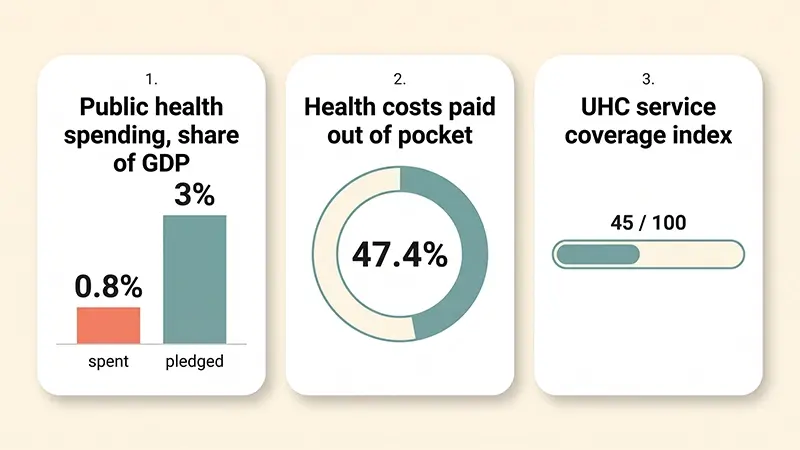
The distance from the country's own promises is wide. WHO notes that Pakistan's universal health coverage service index stands at 45 out of 100. The National Health Vision 2016 to 2025 had pledged to raise health allocations to 3 percent of GDP and actual spending is a fraction of that.
The shortfall lands directly on families. According to the Pakistan Bureau of Statistics, Pakistanis spent more than PKR 983 billion out of pocket on health care in 2021 to 2022. That works out to roughly PKR 4,334 per person, even though public clinics are meant to offer basic care free of charge.
What the Primary Healthcare System Is Missing
Studies of Pakistan's public clinics keep returning to the same handful of gaps.
Medicines on the Shelf
National policy promises free medicines at Basic Health Units. Yet medicine shortages come up again and again in research on why rural patients avoid these facilities. The quota is small and patients are often told supplies have run out. An assessment of 171 Basic Health Units and Rural Health Centers in Punjab found they lacked the infrastructure, equipment, supplies and medicines needed for quality antenatal care.
Staff Who Are Present
Pakistan has 1.09 doctors and 0.59 nurses or midwives per 1,000 people. Rural clinics feel this most because skilled professionals keep moving to cities. Staff absenteeism makes it worse, so a clinic can be open on paper with no one there to treat patients. The gap hits women hardest, since many will not visit a clinic that has no female doctor or Lady Health Visitor.
Diagnostics and Delivery Services
Qualitative research on why people underuse these facilities points to weak laboratory services, almost non-existent delivery services and short opening hours. A mother who cannot deliver at her local clinic or even get a basic test there has to travel to a hospital.
Outpatient Cover That Reaches the Poor
Insurance programs such as Sehat Sahulat have expanded cover for hospital admissions among low-income families. Outpatient visits, however, remain largely uncovered. The everyday consultation and the medicines that follow come out of the family's own pocket, which is why so much first-contact care ends up in the private sector.
Why It Matters When the First Tier Fails
Primary healthcare is meant to work quietly. When it does, hospitals are not overwhelmed. When it does not, every other part of the system pays for it.
Patients who cannot rely on the nearest public clinic simply bypass it. Those who go anyway often arrive late. Conditions that primary care exists to catch early, such as hypertension, diabetes and pregnancy complications, then reach hospitals as emergencies. The hospitals absorbing these patients carry strains of their own, as SHINE's look at the safety and maintenance failures in public hospitals shows.
Children pay a heavy price too. Infant mortality stands at about 50 deaths per 1,000 live births, according to the Economic Survey 2024 to 2025. Vaccination, antenatal care and early treatment of childhood illness, the services that bring this number down, are all meant to happen at the primary level.
What Has Worked in Pakistan
Community Health Workers
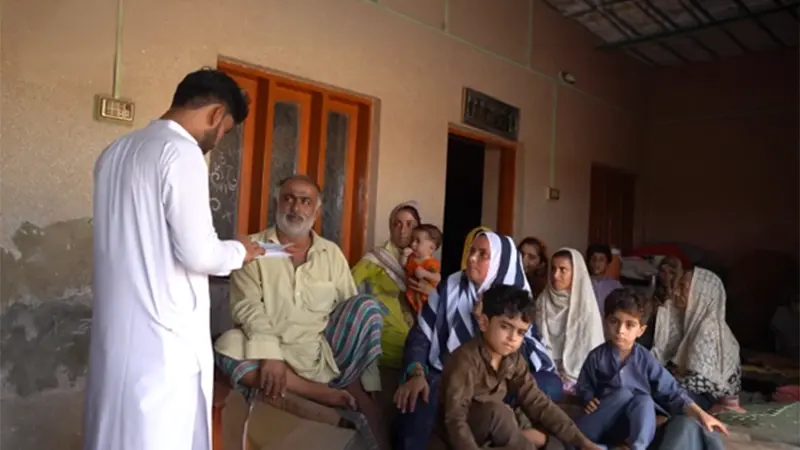
The Lady Health Worker program remains the system's strongest success. WHO describes more than 90,000 workers delivering basic services to 115 million people who would otherwise lack access and referring patients to facilities when needed. SHINE has written about how community health workers bridge healthcare gaps for the same reason. They bring care to people instead of waiting for people to reach it.
Management That Holds People Accountable
Management matters as well. In Sindh, a small comparative study of Basic Health Units found that units run under the People's Primary Healthcare Initiative had an average of seven staff present in the outpatient department. Units run by the district government averaged three. Accountability, in other words, can matter as much as headcount.
How SHINE Humanity Strengthens Primary Healthcare in Rural Sindh
SHINE Humanity's model targets the same gaps research keeps finding in the public system. Families get free consultations at SHINE's primary healthcare clinics across rural Sindh, while Mobile Urgent Care Units reach villages with no clinic nearby. In Tando Hyder, Hyderabad District, a telemedicine collaboration with Sehat Kahani has averaged around 600 patients a month. Since May 2025, clinic-based midwives have also been connected with office-based physicians, helping women with gynecological concerns get specialist advice.
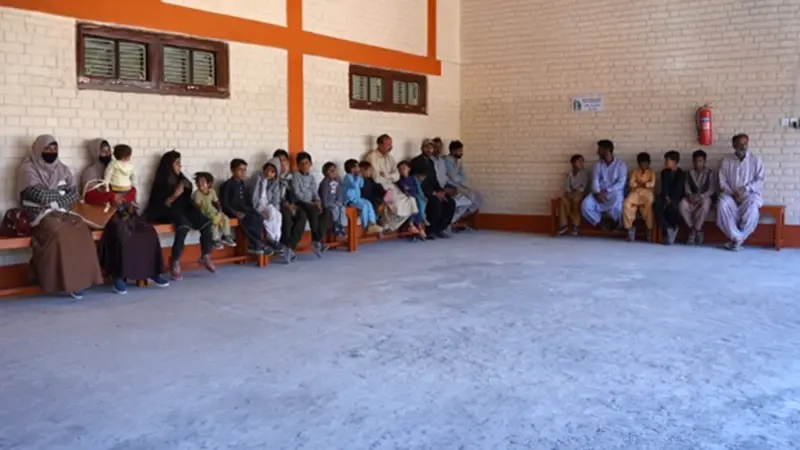
Prevention gets equal attention. The Diabetes, Hypertension and Hyperlipidemia Program screens families early and Sehat Ghar Nutrition Centers build health literacy. In Gharo, community midwives reach more than 2,300 households with maternal and child health services. SHINE was also the first rural healthcare organization in Pakistan to digitize medical records, so patients needing follow-up are not lost between visits. None of this replaces a funded public system, but it shows what primary care looks like when it is free and close to home.
What It Will Take to Close the Gaps
The research points to a fairly clear set of fixes:
- Health budgets that grow faster than inflation and move steadily toward the 3 percent pledge
- Medicine supply chains that track stock at facility level, so shortages are caught before shelves run empty
- Management that records staff attendance and acts on it, following the PPHI example
- Hardship pay, housing and safe postings that make rural jobs workable, especially for female doctors and midwives
- Outpatient and medicine cover under Sehat Sahulat or similar schemes for low-income families
- Steady pay, supplies and supervision for Lady Health Workers
Closing these gaps will take sustained funding, reliable supply chains and management that keeps clinics staffed and open.
Conclusion
Pakistan does not lack primary healthcare facilities. It lacks the medicines, staff and funding that make them worth walking to. Until that changes, families will keep paying out of pocket for care that should be free and illnesses that a village clinic could catch early will keep reaching hospitals as emergencies.
SHINE Humanity continues to bring free, accessible care to underserved communities across rural Sindh.
Support SHINE Humanity's mission to help bring dependable care to the families who need it most.
Frequently Asked Questions
1. What is primary healthcare?
Primary healthcare is a person's first point of contact with the health system, covering immunization, antenatal care, treatment of common illnesses and screening for chronic disease close to home.
2. What is the difference between a Basic Health Unit and a Rural Health Center?
A Basic Health Unit is the smallest public facility serving a union council with outpatient care, while a Rural Health Center sits one level higher with a few inpatient beds, laboratory services and delivery care.
3. Is primary healthcare free in Pakistan?
Consultations and basic medicines at public clinics are meant to be free, yet most first-contact care happens at private clinics where families pay out of pocket.
4. Why do many patients avoid Basic Health Units?
Research points to medicine shortages, staff absenteeism, limited laboratory and delivery services, short opening hours and distance as the main reasons patients go elsewhere.
5. Does Sehat Sahulat cover primary healthcare?
Sehat Sahulat mainly covers hospital admissions, so routine outpatient visits and medicines at the primary level are largely left for families to pay themselves.
6. What would improve primary care in Pakistan?
Health budgets that keep pace with inflation, reliable medicine supply, accountable management, better support for community health workers and outpatient insurance cover would address the gaps research keeps finding.