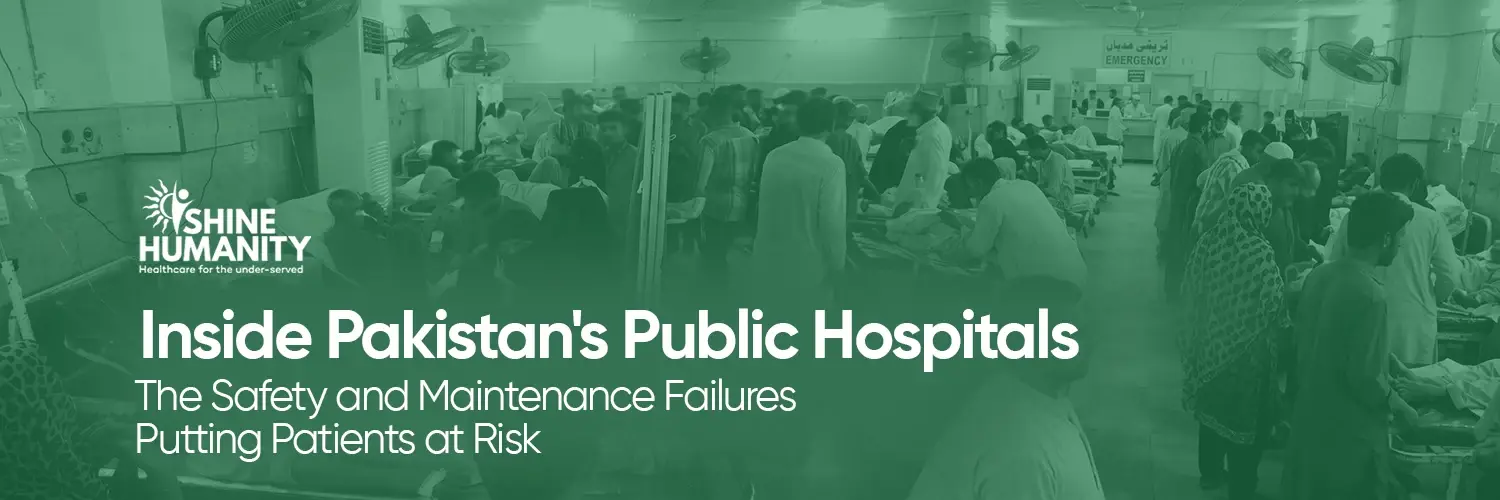
Inside Pakistan's Public Hospitals: The Safety and Maintenance Failures Putting Patients at Risk
In two separate government hospitals, two years apart, the same electrical fault killed 25 newborns before anyone fixed the underlying problem. These were not isolated accidents. They were the visible edge of a much wider pattern of maintenance failure, poor infection control and weak oversight running through Pakistan's public hospital system.
Public hospitals treat the overwhelming majority of Pakistan's population, particularly families who have no alternative. When basic safety systems fail there, the consequences are not abstract statistics. They are entirely preventable deaths.
A Pattern, Not an Accident
On August 26, 2026, an air-conditioning unit short-circuited inside the newborn nursery at the Pakistan Institute of Medical Sciences in Islamabad, sparking a fire that killed 14 infants. It was not the first time a hospital fire hazard of this kind had killed newborns in Pakistan. In June 2024, a similar electrical fire tore through the paediatric ward of Sahiwal Teaching Hospital in Punjab, killing 11 babies. An inquiry into that fire found the hospital's fire extinguishers had expired.
Two government hospital fires, two provinces, two years apart and the same root cause, aging electrical infrastructure that nobody had inspected or replaced in time.
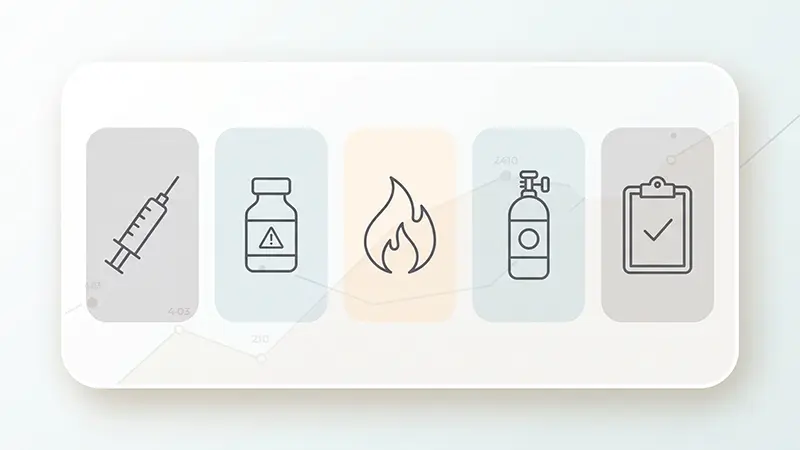
Five Recurring Failures Across the System
Hospital fire safety is only one part of a much larger picture. A review of documented incidents over the past several years reveals the same handful of systemic gaps showing up again and again, regardless of province or hospital.
Infection Control Breakdowns
At a public hospital in Taunsa, Punjab, more than 330 children tested positive for HIV between late 2024 and 2025, with investigators pointing to unsafe injection practices and reused syringes as the likely cause. These were hospital-acquired infections that proper sterilization protocols would have prevented entirely.
The Taunsa outbreak echoed an earlier, larger crisis in Ratodero, Sindh, in 2019, where syringe reuse in Pakistan's public health system infected hundreds of children with HIV. Laws banning syringe reuse have existed for years. Enforcement at the facility level has not kept pace.
Medicine and Supply Shortages
In Sindh, the Civil Hospital Karachi treated over 16,000 dog-bite cases in a single year with zero rabies deaths, while Indus Hospital, treating a similar caseload, recorded eight. The difference came down to one variable, whether rabies immunoglobulin, a low-cost, life-saving medicine, was actually in stock. Most of the province's rabies deaths occur among patients from rural districts where the medicine is simply unavailable.
Infrastructure and Fire Safety Gaps
Both the PIMS and Sahiwal fires trace back to poorly maintained electrical systems operating without functioning backup safeguards. Neither hospital had caught the fault before it turned fatal, despite both incidents occurring in wards housing the most vulnerable patients in the building.
Critical Utility Failures
During a COVID-19 surge in December 2020, six patients died at Khyber Teaching Hospital in Peshawar when the facility's oxygen supply ran out overnight. The subsequent inquiry described the failure bluntly, a chronic shortfall in oxygen refilling had gone "unnoticed, unsupervised and unchecked" and the hospital had no emergency preparedness plan for oxygen backup, despite national health guidelines requiring one.
Weak Regulatory Enforcement
Across all of these cases, a common thread emerges. The regulations, safety standards and supply protocols needed to prevent these incidents already exist on paper. What consistently fails is enforcement at the facility level, along with the routine inspections that would catch problems before they become fatal.
Why These Failures Keep Repeating
After nearly every major incident, the response follows a familiar script, an inquiry is announced, a handful of officials are suspended and new safety directives are issued within days. Fire wardens get appointed. Electrical inspections get mandated. Then, in the absence of sustained follow-through, attention moves on and conditions gradually drift back toward where they started.
This is not a lack of awareness. Pakistani health officials and inquiry committees have repeatedly identified the exact same structural flaws, sometimes using nearly identical language, across incidents years apart. What has been missing is a mechanism for healthcare accountability in Pakistan that makes reform outlast the news cycle.
The Human Cost Beyond the Headlines
Every one of these incidents carries a cost that outlives its coverage. Families lose trust in the government hospital system entirely, sometimes delaying care for genuine emergencies out of fear rather than negligence. What might otherwise be treated as medical negligence in a functioning system gets absorbed as routine risk by communities with no other option.
Children infected through unsafe injections carry lifelong medical and social burdens, including stigma that follows them long after the outbreak fades from the news.
For families with no access to private healthcare, these failures are not a policy debate. They are the only hospital system available to them.
What Real Reform Would Require
Preventing the next incident does not require new laws in most cases. It requires enforcing the ones that already exist and treating patient safety in Pakistan as a non-negotiable standard rather than an aspiration.
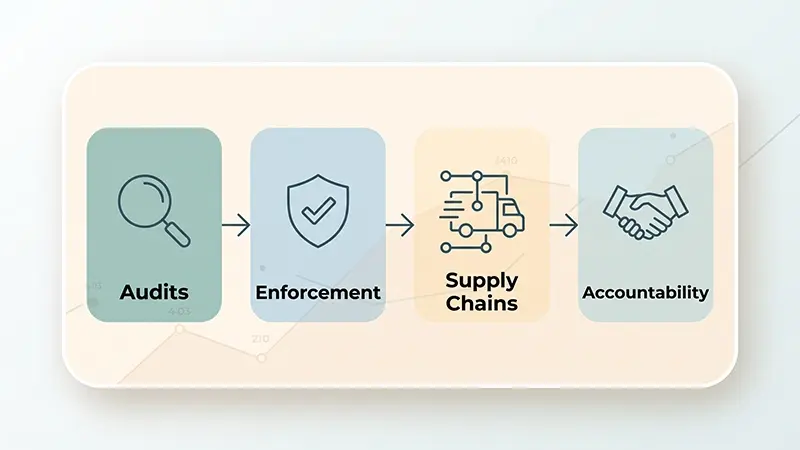
Independent Safety Audits and Inspections
Regular, independent electrical and fire-safety inspections, not just internal hospital reviews, would catch faults like the ones behind the PIMS and Sahiwal fires before they become fatal.
Enforceable Infection Control Standards
Syringe reuse bans need routine, unannounced compliance checks at the facility level, not just policy documents that exist without follow-up. Proper infection control in hospitals requires active enforcement, not passive regulation.
Reliable Vital Medicine Supply Chains
Predictable, province-wide stocking of essential medicines like rabies immunoglobulin, informed by known regional demand patterns, would prevent outcomes from depending on which specific hospital a patient happens to reach.
Transparent, Sustained Accountability
Suspensions immediately after a tragedy matter less than whether the underlying infrastructure failure gets fixed. Public follow-up reporting on whether recommended reforms were actually implemented would make it harder for accountability to fade once media attention moves on.
How SHINE Humanity Fits into This Picture
SHINE Humanity does not operate tertiary hospitals, but its work addresses exactly why community-level primary healthcare matters so much when the public hospital system carries this much risk.
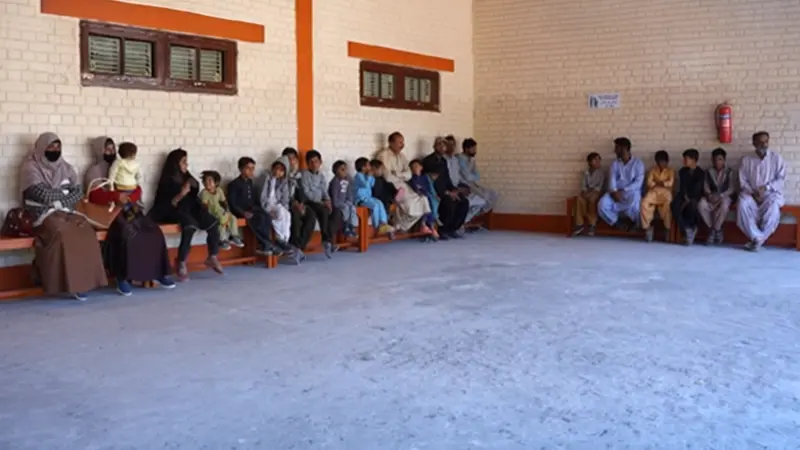
Through its 18 free primary healthcare clinics across rural Sindh, SHINE brings basic diagnostic and preventive care directly into underserved communities, reducing how often families need to make the long, often risky journey to an overburdened tertiary hospital in the first place.
SHINE's community health workers also serve as an early point of contact for infection prevention education and referral, work that becomes even more critical in a system where the next facility a patient reaches cannot always be assumed to be safe.
Challenges That Still Need to Be Addressed
Meaningful reform across Pakistan's public hospital system faces several persistent obstacles:
- Chronic underfunding leaves routine hospital maintenance failures unaddressed, with safety inspections treated as low priorities against more visible spending needs
- Regulatory bodies often lack the staffing or authority to enforce existing safety and infection control standards
- Provincial supply chains for necessary medicines remain fragmented and poorly coordinated
- Accountability measures tend to end with individual suspensions rather than systemic fixes
- Rural facilities face the steepest gaps in both government hospital conditions and indispensable medicine availability
Conclusion
Pakistan's public hospitals are not failing for a lack of documented problems or proposed solutions. They are failing because enforcement, maintenance and follow-through consistently lose out once public attention shifts elsewhere. Until patient safety becomes a sustained institutional priority rather than a post-tragedy talking point, these preventable deaths will continue.
SHINE Humanity continues working to bring safe, accessible primary healthcare directly to underserved communities across rural Sindh, reducing how often families are forced to rely on an overstretched and under-maintained public hospital system.
Support SHINE Humanity's mission to help expand safe, community-based healthcare access across Pakistan.
Frequently Asked Questions
1. What caused the 2026 PIMS hospital fire?
The fire began when an air-conditioning unit short-circuited inside the newborn nursery, a fault similar to the one behind a 2024 fire at Sahiwal Teaching Hospital that killed 11 babies.
2. How widespread is syringe reuse in Pakistani hospitals?
Documented outbreaks linked to syringe reuse have occurred in multiple locations, including Taunsa and Ratodero, despite existing legal bans on the practice, pointing to a lack of enforcement at the facility level.
3. Why do rabies deaths vary so much between hospitals in the same city?
Outcomes largely depend on whether rabies immunoglobulin is in stock at the specific hospital a patient reaches, since the medicine is not consistently available across all facilities.
4. Are Pakistan's hospital safety problems limited to one province?
No, documented failures span multiple provinces and hospital types, including fire safety lapses in Punjab and Islamabad, infection control failures in Punjab and Sindh, and utility failures in Khyber Pakhtunkhwa.
5. What typically happens after a major hospital safety incident in Pakistan?
Inquiries are usually announced quickly and some staff are suspended, but sustained follow-through on recommended structural reforms has historically been inconsistent.
6. What would meaningfully reduce these recurring failures?
Independent safety audits, enforceable infection control compliance checks, reliable medicine supply chains and transparent long-term accountability would address the root causes rather than individual incidents.