PCOS in Pakistani Women: The Hidden Hormonal Crisis Affecting Millions
Across Pakistan, millions of women live with a hormonal condition that quietly disrupts their periods, fertility, weight and mental health, yet remains one of the most under-diagnosed conditions in the country. Polycystic Ovary Syndrome (PCOS) is now considered one of the most common reproductive health disorders among Pakistani women, with several clinical studies placing prevalence far above the global average.
Despite how widespread it is, PCOS is frequently dismissed as "irregular periods" or a family trait rather than a diagnosable medical condition. This leaves many women undiagnosed for years, quietly raising their long-term risk of infertility, type 2 diabetes and cardiovascular disease.
What Is PCOS?
Polycystic Ovary Syndrome is a hormonal and metabolic disorder that affects how the ovaries function. Women with PCOS often produce higher levels of androgens (male hormones), which can disrupt ovulation and lead to irregular or absent periods. Many also develop insulin resistance, where the body struggles to use insulin effectively, driving weight gain and further hormonal imbalance.
Because symptoms vary widely from one woman to another, PCOS often goes unrecognized until a woman struggles to conceive or develops complications years later. A proper diagnosis requires a doctor's evaluation rather than self-assessment based on symptoms alone.
Symptoms Most Women Overlook
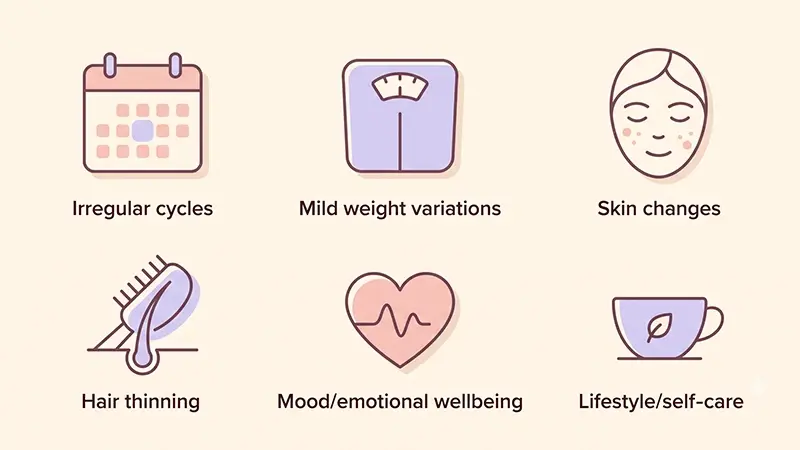
PCOS rarely presents the same way in every woman, which is part of why it is so often missed. Common signs to watch for include:
- Irregular, infrequent or absent menstrual periods
- Excess facial or body hair growth (hirsutism)
- Persistent acne and oily skin
- Weight gain, particularly around the abdomen
- Thinning hair or hair loss on the scalp
- Dark, thickened patches of skin around the neck or underarms
- Difficulty conceiving
- Mood swings, anxiety or low mood
Because early symptoms are often mistaken for stress, weight fluctuation or "just how periods are," many women only seek medical attention after months or years of unexplained irregularity.
How Is PCOS Diagnosed?
PCOS diagnosis is usually based on symptoms, menstrual history, physical signs and basic medical tests. Doctors may ask about irregular periods, acne, hirsutism, weight changes and difficulty conceiving. They may also recommend blood tests to check hormone levels and insulin resistance, along with an ultrasound to look for polycystic ovaries.
Many doctors use the Rotterdam criteria, where PCOS may be diagnosed if at least two of these are present: irregular ovulation, excess androgens, or polycystic ovaries on ultrasound. Other hormonal conditions, such as thyroid problems, may also need to be ruled out.
Why PCOS Is More Than a Period Problem
Left undiagnosed, PCOS carries risks that extend well beyond menstrual irregularity:
- Reduced fertility due to infrequent or absent ovulation
- Higher long-term risk of type 2 diabetes linked to underlying insulin resistance
- Increased risk of anxiety and depression, reported in roughly one in five Pakistani women with PCOS in clinical studies
- Higher risk of endometrial changes from prolonged irregular ovulation
- Greater long-term cardiovascular risk, including elevated blood pressure and cholesterol
PCOS Treatment and Management
PCOS cannot be cured, but it can be managed effectively with early diagnosis and consistent care.
Track Your Cycle and Seek Early Screening
Keeping a record of menstrual cycles helps identify irregularities early. A simple pelvic ultrasound and blood test for hormone levels can confirm a diagnosis long before complications develop.
Build a Lower-Glycemic, Balanced Diet
Reducing refined carbohydrates and sugary drinks while increasing fiber, protein and vegetables helps improve insulin sensitivity, one of the most effective ways to ease PCOS symptoms.
Stay Physically Active
Even moderate regular activity, such as brisk walking for 30 minutes a day, can meaningfully improve insulin resistance and hormonal balance.
Medical Management When Needed
Depending on symptoms and family planning goals, doctors may recommend hormonal treatment to regulate periods or metformin to manage insulin resistance. Treatment should always be guided by a qualified physician rather than self-medication.
Prioritize Mental Health Support
Given the strong link between PCOS and anxiety or depression, emotional support and, where needed, professional mental health care should be treated as part of PCOS management rather than an afterthought.
The Scale of the Crisis in Pakistan
Pakistan has emerged as one of the countries most affected by PCOS globally. A case-control study conducted in Lahore found a prevalence of 52 percent among Pakistani women of reproductive age, far above the 21 to 33 percent reported in British, Australian and Finnish populations and well beyond the global average of roughly 8 to 13 percent.
At Pakistan's First International PCOS Summit in 2024, gynecologists warned that nearly 50 percent of Pakistani women now live with PCOS and that up to 70 percent of women of reproductive age remain undiagnosed, often suffering symptoms for their entire lives before receiving a proper diagnosis.
Awareness remains a major barrier. Surveys among Pakistani university students found that while the majority recognized PCOS as a serious health issue, nearly a third cited lack of self-knowledge and roughly a fifth cited shyness or reluctance as reasons they had never discussed symptoms with a doctor.
Why Pakistani Women Face Such High Rates
PCOS does not have one single root cause. In most women, it develops through a mix of insulin resistance, hormonal imbalance, excess androgens, family history and lifestyle factors. In Pakistan, these risks are often worsened by high-refined-carbohydrate diets, low physical activity, delayed diagnosis and limited access to women's healthcare.
Genetic and Family Patterns
PCOS tends to run in families. Studies among Pakistani women show that roughly one in five have a close family member with the condition, suggesting a strong hereditary component layered on top of environmental risk factors.
Carbohydrate-Heavy Diets and Insulin Resistance
Diets built around refined rice, wheat and sugary tea can worsen insulin resistance, which sits at the center of PCOS in most South Asian women. Elevated insulin levels push the ovaries to produce more androgens, intensifying symptoms like irregular periods and acne.
Sedentary Lifestyles and Urbanization
Reduced physical activity, particularly among women in urban households, contributes to weight gain and worsening insulin resistance, both of which are closely tied to PCOS severity.
Rising Obesity Rates
Excess body weight, especially around the abdomen, increases androgen production and disrupts ovulation, creating a cycle where PCOS symptoms and weight gain reinforce one another.
Challenges That Still Need to Be Addressed
Despite progress, several barriers continue to slow early diagnosis and treatment of PCOS in Pakistan:
- Awareness remains low, with symptoms frequently dismissed as normal or stress-related
- Cultural hesitation around discussing menstrual and reproductive health openly, even with doctors
- Very few gynecologists or endocrinologists practice in rural districts
- Hormone testing and ultrasounds remain financially out of reach for many low-income households
- Structured, community-level PCOS screening programs are still rare across rural Sindh
These gaps highlight why continued investment in community health education, accessible screening and rural specialist access remains essential to reducing PCOS-related complications nationwide.
When Should You See a Doctor?
Women should see a doctor if their periods are frequently irregular, absent for several months, unusually heavy or painful. Medical advice is also important if symptoms like excess facial hair, persistent acne, scalp hair thinning, unexplained weight gain, dark skin patches around the neck or underarms or difficulty conceiving appear. Early screening can help prevent PCOS from progressing into more serious metabolic or fertility-related complications.
How SHINE Humanity Supports Women's Health Across Rural Sindh
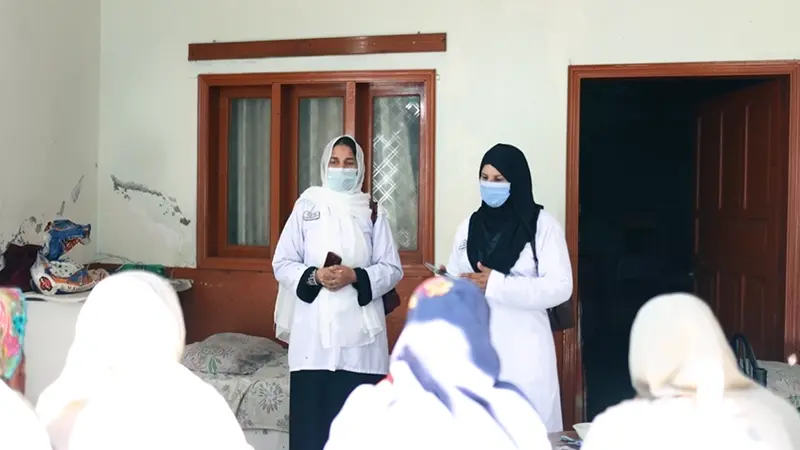
For women in rural Sindh, reaching a gynecologist or getting a basic hormone test is often out of reach. SHINE Humanity works to close that gap through its network of 18 free primary healthcare clinics across Sindh, where women can access reproductive health consultations without cost.
Through its Community Outreach Program, SHINE delivers essential health education on reproductive health, nutrition and hygiene directly to households, helping women recognize symptoms like irregular periods early rather than dismissing them as normal.
A telemedicine network connects rural clinic-based staff with qualified physicians, allowing women with gynecological concerns to consult specialists remotely rather than undertaking long, costly journeys to urban hospitals.
Because insulin resistance sits at the core of most PCOS cases, SHINE's Diabetes, Hypertension and Hyperlipidemia Program in rural Sindh plays a complementary role, screening and managing the same metabolic risk factors that drive PCOS symptoms.
Conclusion
PCOS is one of the most common yet least discussed health conditions affecting Pakistani women today. Left undiagnosed, it quietly raises the risk of infertility, diabetes and long-term heart disease, all while being dismissed as an ordinary part of womanhood.
SHINE Humanity continues working alongside underserved communities to expand access to reproductive health education, screening and primary healthcare across rural Sindh.
Support SHINE Humanity's mission to help bring accessible, judgment-free reproductive healthcare to the women who need it most.
Frequently Asked Questions
1. How common is PCOS in Pakistani women?
Clinical studies report PCOS prevalence as high as 50 to 52 percent among Pakistani women of reproductive age, significantly higher than the global average of roughly 8 to 13 percent.
2. What causes PCOS?
PCOS results from a combination of hormonal imbalance, insulin resistance and genetic predisposition, often worsened by carbohydrate-heavy diets, low physical activity and rising obesity rates.
3. What are the most common symptoms of PCOS?
Irregular or absent periods, excess facial or body hair, acne, weight gain, hair thinning and difficulty conceiving are among the most frequently reported symptoms.
4. Can PCOS be cured?
PCOS cannot be cured, but it can be effectively managed through diet, exercise, medical treatment and regular monitoring, allowing most women to control their symptoms long-term.
5. How does SHINE Humanity support women with PCOS in rural Sindh?
SHINE Humanity provides free reproductive health consultations through 18 rural clinics, community-based health education, a telemedicine network for specialist access, and a Diabetes, Hypertension and Hyperlipidemia Program that addresses the insulin resistance underlying most PCOS cases.