Addiction and Drug Abuse in Pakistan: A Public Health Emergency
In cities and small towns across the country, addiction has quietly moved from the margins into ordinary households. Drug abuse in Pakistan now touches university students, skilled professionals, teenagers still in school and entire families who have no idea where to turn. Yet it is still widely treated as a moral failing rather than what medical evidence consistently shows it to be a treatable, chronic health condition.
Understanding Addiction as a Health Condition
Addiction is a chronic condition that alters brain chemistry, particularly the systems that govern reward, stress and self-control. It is not simply a matter of willpower and it rarely develops overnight. Most cases build gradually, often beginning with experimentation during adolescence or as a coping response to stress, trauma or untreated mental illness.
Understanding addiction this way matters because it shapes how families and communities respond. Stigma tends to push people further from help, while a health-centered approach opens the door to treatment and long-term support.
The Scale of the Crisis
According to figures cited from the United Nations Office on Drugs and Crime, an estimated 6.7 to 7.6 million people in Pakistan use drugs, roughly six percent of the population. Of this group, an estimated 4 million use cannabis and 2.7 million use opiates, including heroin, which remains one of the most destructive substances in circulation.
The youth dimension is particularly alarming. A 2024 survey at a major Karachi university found that 44 percent of college and university students admitted to drug use, including 53 percent of male and 31 percent of female respondents. Separate clinical research on patients admitted to rehabilitation found that 35 percent had begun using drugs during adolescence and nearly half were also living with diagnosed depression.
Why Drug Abuse Is Rising
No single factor explains the growing crisis. It emerges from several overlapping pressures.
Economic Hardship and Unemployment
Rising unemployment and financial stress, particularly among young people entering an uncertain job market are consistently linked to higher rates of substance use as a coping mechanism.
Easy Availability
Pakistan's proximity to major drug-producing and trafficking routes has made certain substances more accessible and affordable than in many other countries, particularly in border regions and major cities.
Untreated Mental Health Conditions
Depression, anxiety and unresolved trauma frequently go undiagnosed due to limited mental health infrastructure. For many, substance use becomes an unspoken form of self-medication.
Peer Pressure and Early Exposure
Adolescence remains the most common period for first exposure to drugs, often driven by peer influence, curiosity or a desire to fit in, at an age when the brain is especially vulnerable to developing dependency.
Recognizing the Warning Signs
Addiction rarely announces itself. Family members are often the first to notice changes, even before they understand what they are seeing.
Warning signs can include:
- Sudden withdrawal from family, friends or previously enjoyed activities
- Noticeable changes in sleep patterns, appetite or personal hygiene
- Unexplained financial difficulties or missing money and belongings
- Mood swings, irritability or secretive behavior
- Declining performance at school, university or work
- Physical signs such as unexplained weight change or persistent fatigue
None of these alone confirms substance use. However, a pattern of several together warrants a caring, non-judgmental conversation rather than confrontation.
The Human Cost of Untreated Addiction
The damage caused by untreated addiction reaches well beyond the person using it. Prolonged substance use raises the risk of organ failure, overdose and bloodborne infections, including hepatitis and HIV, particularly among those using injectable drugs. Families fracture under the weight of secrecy, financial strain and emotional exhaustion.
Meanwhile, co-occurring mental health conditions like depression and anxiety spiral without intervention, making recovery harder with each passing year. For young people especially, the toll compounds quickly. Dropping out of school or losing employment closes doors that are difficult to reopen, trapping individuals in cycles of poverty and dependency that become harder to break over time.
Treatment and Recovery: What Actually Works
Drug addiction treatment is possible, but it typically requires structured, sustained support rather than willpower alone.
Medically Supervised Detoxification
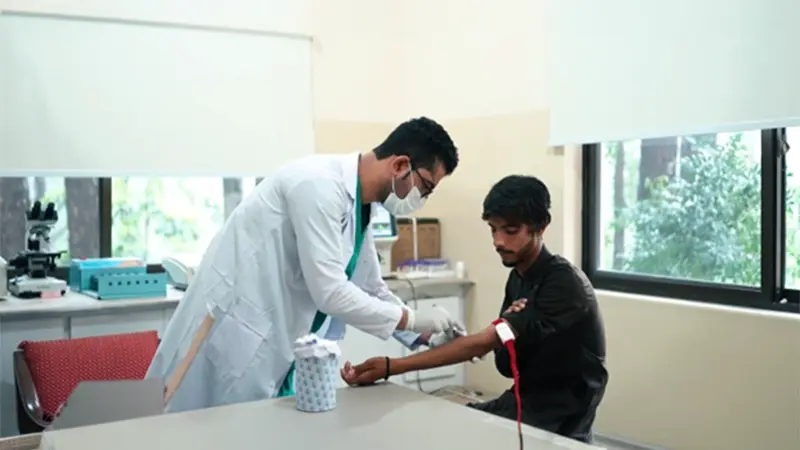
For many substances, the initial withdrawal period can be physically dangerous without medical supervision. Detoxification under qualified medical care is the safest starting point for recovery.
Rehabilitation and Counseling
Structured rehabilitation programs combining counseling, behavioral therapy and where needed, psychiatric care address both the addiction itself and any co-occurring mental health conditions.
Family and Community Support
Addiction recovery outcomes improve significantly when families are educated and involved rather than isolating the person through shame or blame.
Long-Term Relapse Prevention
Because addiction is a chronic condition, relapse is a common part of many recovery journeys rather than a sign of failure. Ongoing support, follow-up care and community reintegration are essential for sustained progress.
How SHINE Humanity Supports Early Intervention in Rural Communities
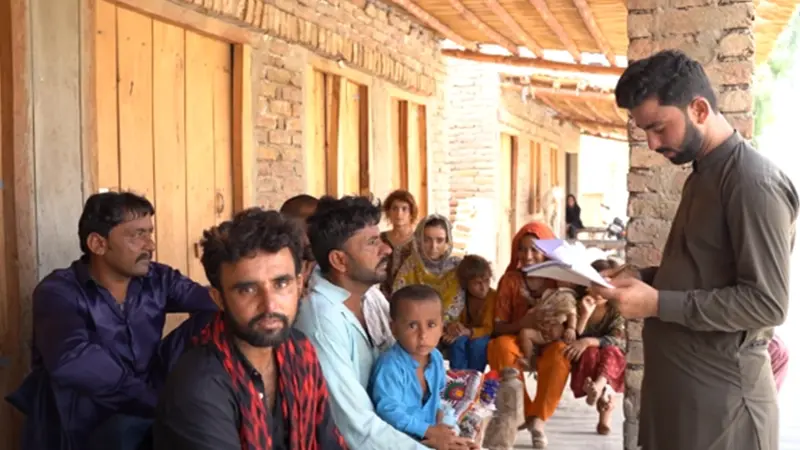
Addiction is frequently intertwined with untreated mental health conditions, poverty and limited access to basic healthcare, the same underlying issues SHINE Humanity works to address every day across rural Sindh.
Through its Mental Health Program, launched in 2022, SHINE has built capacity to screen for and respond to psychological distress in communities where mental healthcare was previously nonexistent. Its telemedicine collaboration with Sehat Kahani in Tando Hyder connects clinic-based health workers with physicians remotely, extending the reach of care to families who would otherwise have no access to professional support.
SHINE's 18 free primary healthcare clinics, including Garibsons Clinic in Gharo, also serve as a first point of contact for families dealing with the physical health consequences of addiction, from malnutrition to untreated infections. Community outreach teams across Sindh help identify struggling individuals early, before a crisis forces the issue into the open.
Challenges That Still Need to Be Addressed
Despite growing awareness, several barriers continue to limit progress:
- Social stigma still prevents many families from seeking help openly
- Mental health and addiction treatment infrastructure remains concentrated in major cities, with few rehabilitation centers serving rural areas
- Counseling services remain unaffordable for many low-income households
- Public health messaging still frames addiction primarily as a legal issue rather than a medical one
- Community-level early identification and referral systems remain limited outside urban centers
Addressing these gaps requires treating addiction as the chronic health condition it is, backed by accessible treatment and communities equipped to respond with support rather than judgment.
Conclusion
Addiction is a growing public health emergency that demands a response rooted in healthcare, not stigma. The need for accessible drug rehabilitation in Pakistan has never been more urgent, particularly in underserved rural communities where families face these challenges with almost no institutional support.
SHINE Humanity continues working to expand healthcare access and community health education across rural Sindh, helping families reach the care they need before a crisis takes hold.
Support SHINE Humanity's mission to bring healthcare access and community support to families affected by preventable health crises across Pakistan.
Frequently Asked Questions
1. How widespread is substance abuse in Pakistan?
An estimated 6.7 to 7.6 million people use drugs, roughly six percent of the population, with cannabis and opiates among the most commonly used substances.
2. Is addiction a choice or a medical condition?
Medical evidence consistently shows addiction is a chronic health condition that alters brain chemistry, not simply a matter of willpower.
3. What are the early warning signs of drug use in a family member?
Withdrawal from social activities, changes in sleep or hygiene, unexplained financial trouble, mood swings and declining performance at school or work are common indicators.
4. Why are young people increasingly affected?
Economic hardship, easy availability of certain substances, untreated mental health conditions and peer pressure during adolescence all contribute significantly.
5. Can addiction be treated successfully?
Yes, with medically supervised detoxification, structured rehabilitation, counseling and sustained family and community support, recovery outcomes improve significantly.
6. How can families best support a loved one struggling with addiction?
A caring, non-judgmental conversation combined with connecting them to medical and counseling support tends to be far more effective than confrontation or isolation.