Understanding Thalassemia in Pakistan: Causes, Screening and Prevention
Every year, thousands of Pakistani families learn their child has a severe hemoglobin disorder that was entirely preventable. Thalassemia remains one of the most widespread inherited conditions in the country, yet most carriers never find out until a diagnosis forces the truth into the open. The gap between what is preventable and what actually gets prevented defines this crisis.
What Is Thalassemia?
Thalassemia is a genetic blood disorder that disrupts the body's ability to produce functional hemoglobin, the protein inside red blood cells responsible for carrying oxygen. It is not caused by infection, diet, or anything a person does during their lifetime. It is inherited, passed quietly through genes from parents to children. A person who receives the faulty gene from only one parent becomes a thalassemia carrier, also called thalassemia trait or thalassemia minor.
Carriers rarely feel sick. Most live their entire lives without knowing they carry the gene. But when two carriers have a child together, each pregnancy carries a 25 percent chance that the child will inherit the defective gene from both sides and be born with thalassemia major, the form that demands lifelong medical intervention just to survive.
The Numbers Behind Pakistan's Burden
The beta thalassemia carrier rate in Pakistan sits between 5 and 8 percent of the population. In raw terms, that means roughly 10 million people are carriers. Between 5,000 and 9,000 children are born with the severe form every year, and around 100,000 patients currently depend on regular blood transfusion to stay alive. What makes these numbers painful is the comparison.
In countries with strong transfusion and chelation infrastructure, patients with thalassemia major can live into their 50s or 60s. In Pakistan, the average life expectancy for a child with untreated or poorly managed thalassemia major hovers around 10 years. That difference comes down to access, not medical knowledge.
Why Pakistan's Rates Are So High
Three overlapping factors explain the numbers.
Consanguineous Marriage
Marriage between close blood relatives, especially first cousins, remains deeply entrenched across many Pakistani communities. When both partners share family lineage, the odds that both carry the same genetic fault rise sharply. Regional studies have found that in some areas, the majority of marriages involve blood relatives, a pattern directly tied to elevated carrier rates.
Low Awareness of Carrier Status
Because a thalassemia carrier shows no obvious symptoms, most carriers go through life without the slightest idea they carry the gene. Research among confirmed carriers in Pakistan has repeatedly shown that the vast majority were completely unaware, even in households where other relatives later tested positive.
Limited Premarital Screening
Premarital screening in Pakistan remains largely voluntary. Where facilities exist, cost, distance, and cultural hesitation around genetic testing before marriage all chip away at uptake. Rural communities face the steepest barriers of all.
Recognizing Thalassemia Symptoms
Thalassemia symptoms look very different depending on the form a person has. Carriers with thalassemia minor often show nothing at all, or at most a mild anemia that gets chalked up to iron deficiency and ignored. This is precisely why carrier testing matters more than watching for warning signs after the fact. The signs of thalassemia in children with the major form typically surface within the first two years of life:
- Persistent fatigue and noticeable weakness
- Pale or yellowish skin
- Slow growth and delayed physical development
- Abdominal swelling from an enlarged spleen or liver
- Darkened urine
- Gradual changes in facial bone structure as bone marrow expands to compensate
- Recurring infections
By the time these symptoms appear, the window for prevention has already closed.
The Lifelong Toll of Thalassemia Major
A child born with thalassemia major requires blood transfusions every two to four weeks for life, along with iron chelation therapy to prevent the organ damage caused by iron buildup from repeated transfusions. Missed or inconsistent transfusions quickly lead to severe complications, including heart failure and liver damage.
Repeated transfusions also carry infection risk where blood screening infrastructure is limited. Pakistan already carries a heavy burden of transfusion-related hepatitis B and C, making safe, well-screened blood supply an essential part of thalassemia care rather than an afterthought.
Beyond the physical toll, families often face significant financial strain, as regular transfusions, chelation medication and monitoring can be difficult to sustain for years or even decades without external support.
Screening and Prevention: What Actually Works
Because thalassemia is genetic rather than infectious, prevention looks very different from most other health conditions covered in public health campaigns. The most effective interventions happen before a child is ever conceived.
Premarital and Pre-Pregnancy Carrier Testing
A simple blood test, typically a complete blood count followed by hemoglobin electrophoresis, can identify carriers with a high degree of accuracy. When both partners are tested before marriage, couples who are both carriers can make informed decisions with proper genetic counseling.
Genetic Counseling for At-Risk Couples
When both partners are confirmed carriers, genetic counseling helps them understand the actual risk to future children and the options available, including prenatal testing during early pregnancy.
Community and School-Based Awareness
Because so many carriers are unaware of their status, awareness campaigns in schools, colleges and community health settings play a critical role in normalizing testing before it becomes an emergency decision made after a diagnosis.
Reliable Access to Basic Blood Testing
For rural communities, the biggest obstacle is often not awareness but access. Free primary healthcare clinics that offer basic blood testing bring this first, critical screening step within reach of families who would otherwise have no nearby facility offering it.
How SHINE Humanity Reaches At-Risk Communities
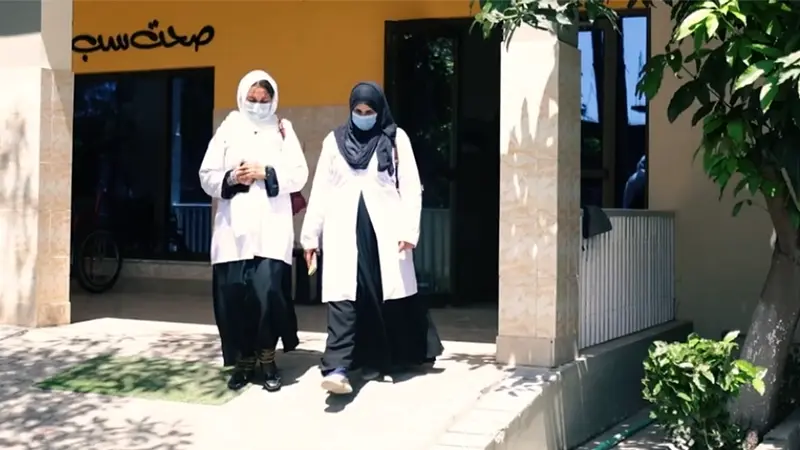
SHINE Humanity operates free primary healthcare clinics across rural Sindh, providing the basic blood testing infrastructure that thalassemia screening depends on. In many of the areas SHINE serves, its clinics are the only healthcare facility for kilometers.
Hemoglobin screening is already built into SHINE's Anemia Program and Sehat Ghar Nutrition Centers, which routinely test women and children for unexplained anemia, some of which traces back to undiagnosed thalassemia trait rather than nutritional deficiency.
In the Gharo area, SHINE's community midwifery and maternal health services reach over 2,300 households, delivering health education directly to families who may have never been told what carrier status means or why it matters before pregnancy.
With fully digitized medical records across all its clinics, SHINE is also the first rural healthcare organization in Pakistan to operate entirely paperless, enabling better tracking of patients flagged for follow-up testing or referral.
Barriers That Still Stand
Despite growing awareness in urban centers, several obstacles continue to slow progress:
- Carrier screening before marriage remains voluntary and inconsistently practiced across most provinces
- Rural households still lack nearby access to basic blood testing facilities
- Cultural resistance to genetic testing before marriage persists in many communities
- Consanguineous marriage continues at high rates despite known genetic risks
- Long-term transfusion and chelation costs remain unaffordable for many low-income families
Bridging these gaps requires exactly what most affected communities lack: affordable testing, community-level outreach, and sustained public awareness that reaches families before it is too late.
Conclusion
Thalassemia is one of the few widespread health crises in Pakistan where a single blood test can change a family's future. Yet thousands of families still discover the diagnosis only after a child is already affected.
Closing that gap means reaching communities where screening access and awareness remain lowest, well before carrier status becomes a medical emergency. Thalassemia prevention starts with one test, taken at the right time.
Support SHINE Humanity's mission to bring life-saving screening and primary healthcare to the communities most affected by preventable blood disorders across rural Sindh.
Frequently Asked Questions
1. How common is thalassemia in Pakistan?
Pakistan has one of the highest thalassemia burdens globally, with an estimated 10 million carriers and several thousand children born with the severe form each year.
2. What causes thalassemia?
Thalassemia is a purely inherited hemoglobin disorder passed from parents to children through genes, not caused by infection, diet, or lifestyle.
3. Can thalassemia be prevented?
Yes, a simple premarital or pre-pregnancy blood test can identify carriers, allowing couples to access genetic counseling and make informed family planning decisions before conception.
4. What are the early signs in children?
Persistent fatigue, pale or yellowish skin, slow growth, abdominal swelling, and recurring infections typically appear within the first two years of life in children with the major form.
5. Why are rates so high in Pakistan?
High rates of consanguineous marriage combined with extremely low awareness of carrier status mean most at-risk couples never learn they carry the gene until a child is diagnosed.
6. What does thalassemia treatment involve?
Managing thalassemia major requires lifelong blood transfusions on a recurring schedule alongside daily iron chelation therapy to prevent the organ damage caused by excess iron accumulation.