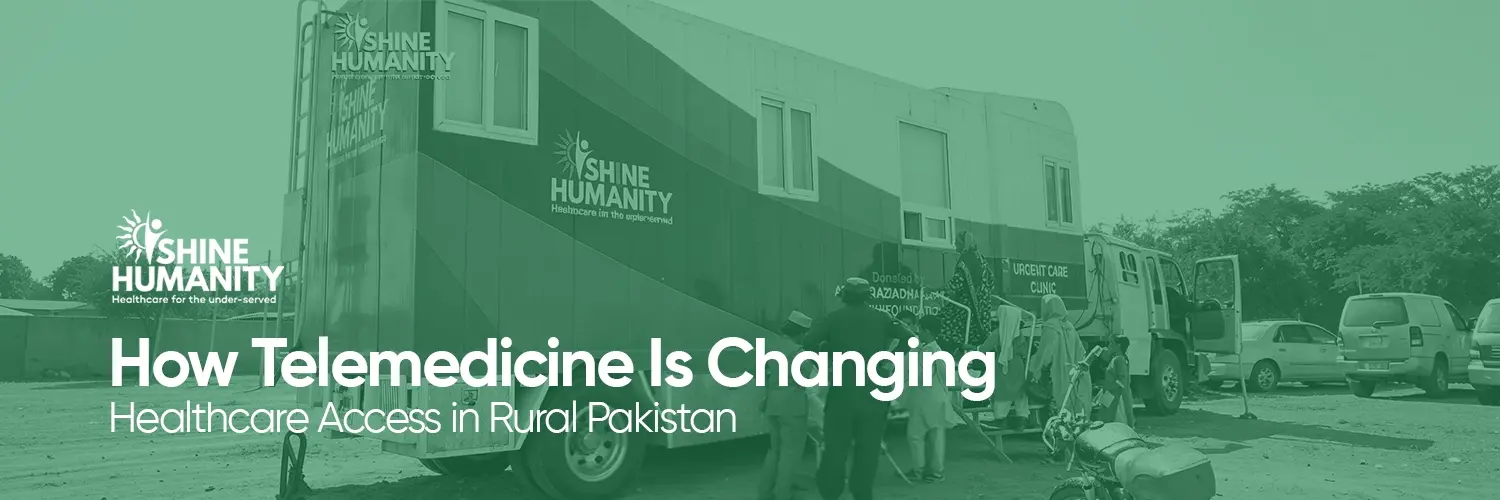
How Telemedicine Is Changing Healthcare Access in Rural Pakistan
Across rural Pakistan, reaching a doctor often means hours of travel, lost wages and transportation costs many families simply cannot afford. For millions in remote villages, delayed treatment has become part of daily life, with women, children, the elderly and chronic patients suffering most. Telemedicine is now reshaping that reality by bringing consultations closer to communities long left behind.
What Is Telemedicine?
Telemedicine is the delivery of healthcare services remotely through a phone call, video consultation or digital platform instead of a traditional in-person visit.
In practice, patients visit a nearby digital health facility or community clinic where a trained healthcare worker records symptoms, vital signs and medical history. A licensed doctor then consults remotely and guides the diagnosis or treatment process.
This hybrid model carries real weight in low-literacy communities, where patients may not feel comfortable navigating healthcare apps independently. Rather than replacing human interaction, it pairs local healthcare workers with remote physicians to make consultations more accessible and easier to trust. In many rural settings, this approach is proving far more effective than technology-only healthcare models.
The Healthcare Gap in Rural Pakistan
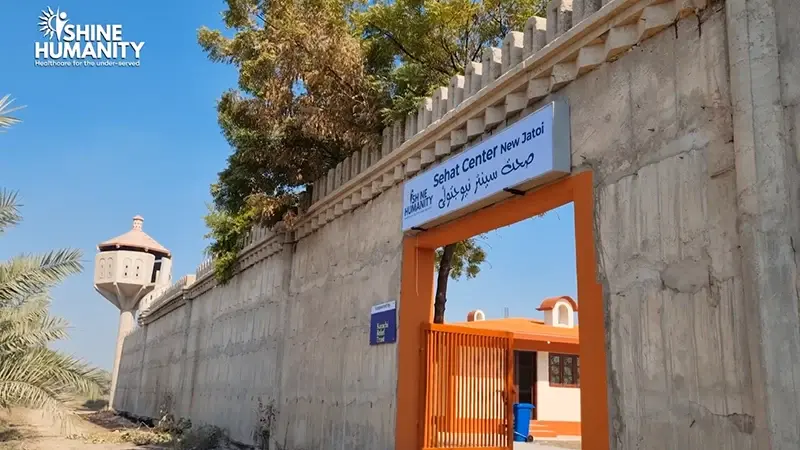
Pakistan continues to face a severe shortage of medical access, particularly outside major urban centers. The country has fewer than one doctor per 1,000 people and the shortage becomes far more visible in rural districts where clinics are limited and specialists are rarely available.
Communities across interior Sindh, Tharparkar and southern Punjab often sit 40 to 60 kilometers away from the nearest functional healthcare facility. Even when public clinics exist, patients run into recurring problems:
- Medicine shortages and absent staff
- Overcrowded waiting areas and long wait times
- Limited diagnostic equipment and basic lab capacity
- Travel costs that delay treatment until conditions turn critical
For too many families, rural healthcare in Pakistan has depended more on geography than medical need. The challenge is not simply finding quality care. It is reaching any care at all. Mobile health clinics have been one response to this gap, and telemedicine is now adding another critical layer of access.
Why the Barriers Go Deeper for Women
The access gap becomes even sharper for women in rural communities. Cultural restrictions on independent travel often prevent women from visiting distant clinics without a male family member. At the same time, female specialist doctors remain scarce in remote areas, particularly across gynecology, maternal health and mental health services.
As a result, conditions frequently go undiagnosed for months or even years. Pregnancy complications, chronic illnesses, infections and reproductive health concerns are often managed late or not at all. In many villages, women continue living with treatable conditions simply because reaching the right doctor is not realistically possible.
This is exactly where remote medical consultation in Pakistan has begun creating meaningful change by connecting women with qualified providers without long-distance travel or difficult logistical arrangements.
What Telemedicine Actually Changes
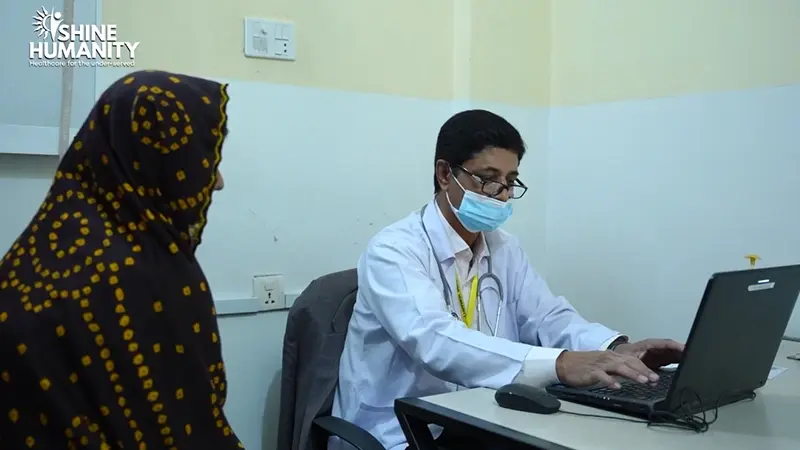
The impact of online healthcare services in Pakistan is practical rather than theoretical. It removes barriers that have historically kept rural communities from receiving timely care:
- Patients consult licensed doctors without traveling long distances
- Women gain remote access to female specialists who may not exist locally
- Diabetes, hypertension and hepatitis patients receive regular follow-ups instead of waiting for emergencies
- Digitized records help doctors track medical history across multiple visits, strengthening continuity of care
The wider healthcare system has started recognizing this shift as well. As eHealth adoption grew during and after the COVID-19 lockdowns, the government has shown increasing support for digital healthcare infrastructure.
In May 2025, the Federal Health Minister endorsed a nationwide rollout of digital clinic models, signaling that telehealth services in Pakistan are becoming a more established part of the country’s healthcare strategy.
How SHINE Humanity Is Reaching the Last Mile
One organization applying this model directly in underserved communities is SHINE Humanity. The nonprofit operates 18 free primary healthcare clinics across rural Sindh alongside maternal health programs, mobile urgent care units, mental health initiatives, and disease-specific programs designed for vulnerable populations.
SHINE Humanity was also the first rural healthcare organization in Pakistan to fully digitize its medical records, building the infrastructure needed to support long-term virtual care and patient tracking.
In Tando Hyder, Hyderabad District, SHINE Humanity partnered with Sehat Kahani to establish a telemedicine model that now serves an average of 600 patients per month. The system connects patients with remote physicians through an on-site physician extender supported by an integrated EMR system.
In May 2025, the organization expanded its digital healthcare efforts through a women-focused initiative that placed trained midwives at clinic sites while office-based physicians consulted remotely. The initiative was designed specifically for women seeking gynecological care in communities where female specialists remain limited.
By combining digitized records, on-site staff, and remote specialists, SHINE Humanity has built one of the most structured rural telemedicine models in Sindh, turning what was once one-off treatment into continuous, trackable care for patients who previously had very few options.
Challenges That Still Need Addressing
Despite real progress, digital health in Pakistan still faces important limitations:
- Internet and mobile connectivity remain inconsistent across parts of Balochistan, interior Sindh, and KPK
- Digital literacy is low, especially among older patients unfamiliar with technology-based care
- Trust in remote consultations takes time to build in communities used to face-to-face visits
These challenges are real, but they also reflect why community-based healthcare models matter. Technology alone cannot solve healthcare inequality. Sustainable progress depends on combining digital access with local trust, trained workers, and long-term investment in rural infrastructure.
Conclusion
Healthcare should never depend on where someone happens to be born. Across rural communities, digital consultations are slowly closing the gap between need and access, especially for women and chronic patients.
What SHINE Humanity has built in Sindh shows what is possible when digital tools are placed in the hands of trusted community workers. The next step is scaling that model to more districts, more women and more chronic patients who still wait too long for basic care.
Support SHINE Humanity’s mission to expand healthcare access across rural Pakistan and help bring sustainable digital healthcare to underserved communities.
Frequently Asked Questions
1. What is telemedicine in simple terms?
A medical consultation delivered remotely through a phone call, video call, or digital platform instead of a traditional in-person visit.
2. How is telemedicine improving rural healthcare in Pakistan?
It reduces travel, cost, and access barriers by connecting patients in remote areas with licensed doctors through digital consultations.
3. Why is telemedicine especially important for women in rural Pakistan?
It helps women access providers and female specialists remotely without facing long-distance travel or mobility restrictions.
4. What role do electronic medical records play in telemedicine?
Digitized records help doctors track medical history across visits, improving continuity of care for long-term conditions.
5. What are the biggest barriers to digital health in Pakistan?
Limited internet connectivity, low digital literacy, and weak trust in remote consultations remain the biggest challenges.
6. How is SHINE Humanity using telemedicine in rural Sindh?
SHINE Humanity uses telemedicine clinics, EMR systems, physician extenders, and midwife-led initiatives to expand healthcare access in underserved communities.